At Eyes on Hartz Optometry in Danville, California, our dedicated eye care team, led by Jennifer Hoang, OD, helps patients enjoy clear vision while keeping their eyes healthy.
According to the American Optometric Association, serious eye infections affect as many as one in 500 contact lens wearers every year, sometimes causing permanent vision loss. Even less serious infections can be painful and interfere with everyday activities.
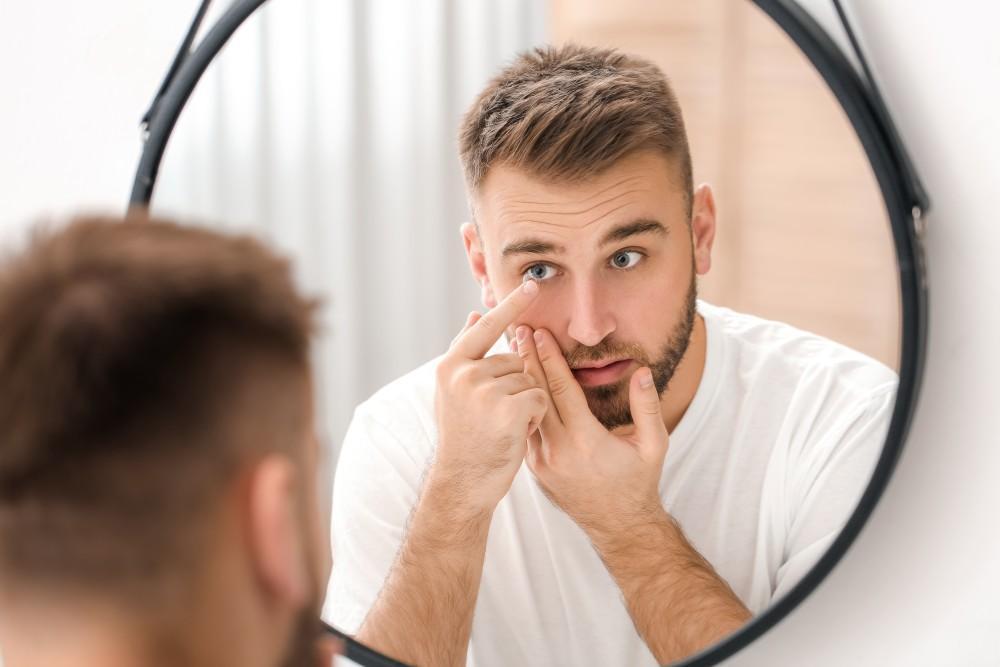
Here are four common contact lens mistakes that could put your eyes in danger — and tips about how to keep your eyes safe.
1. Sleeping in your contact lenses
Falling asleep with your contacts in might seem harmless, especially if it's just a quick nap. Your eyes need a break from contacts, especially when you're asleep.
In fact, the Centers for Disease Control and Prevention (CDC) reports show that sleeping in contact lenses can increase eye infection risk by six to eight times.
Our team recommends a contact lens schedule specific to your eyes and type of lenses. Even special lenses that are FDA-approved for overnight wear may carry an elevated risk of infection, so it may simply not be worth the risk.
2. Letting your contacts come into contact with water
Showering or swimming with contacts might not seem like a big deal, but water can harbor dangerous microorganisms.
A microscopic organism called Acanthamoeba can cause a rare but serious eye infection.
Never rinse your lenses with tap water, and remove them before swimming or showering.
3. Reusing old contact lens solution
That little bit of solution left in your contact lens case isn't worth saving. Adding fresh solution to what's already there might seem economical, but it can leave your lenses soaking in a mixture that doesn't adequately protect against germs.
And don't forget about the case itself! Bacteria can build up inside it, even when it looks perfectly clean.
Make it a habit to dump out used solution every morning, clean your case with fresh contact lens disinfecting solution (never water), and let it air-dry.
4. Wearing your contacts longer than recommended
It might be tempting to wear lenses a few extra days (or longer); however, wearing lenses beyond their recommended replacement schedule allows deposits and microorganisms to accumulate.
Think of your contacts like a carton of milk. Just because everything seems fine doesn't mean you should ignore the expiration date. Your lenses might feel perfectly comfortable, but that doesn't mean they're still in good condition. Your eyes can't always tell you when you're pushing your luck.
Adhere to your usual contact lens schedule, which is typically daily, biweekly, or monthly.
Putting these habits into place can help you enjoy clear eyesight while promoting excellent eye health long term. Schedule an appointment online or call Eyes on Hartz Optometry at 925-201-6969 to get started today.