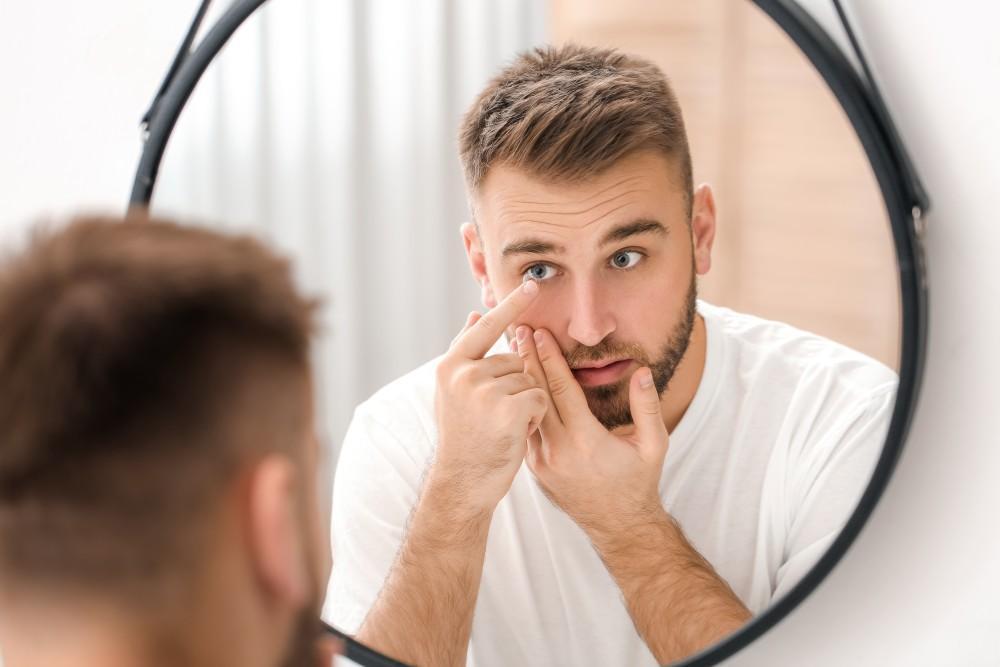
4 Bad Contact Lens Habits That Can Lead to Eye Infections
Your contacts could be putting your vision at risk, and you might not even know it. Learn about four contact lens habits that could cause eye infections and how to avoid them.
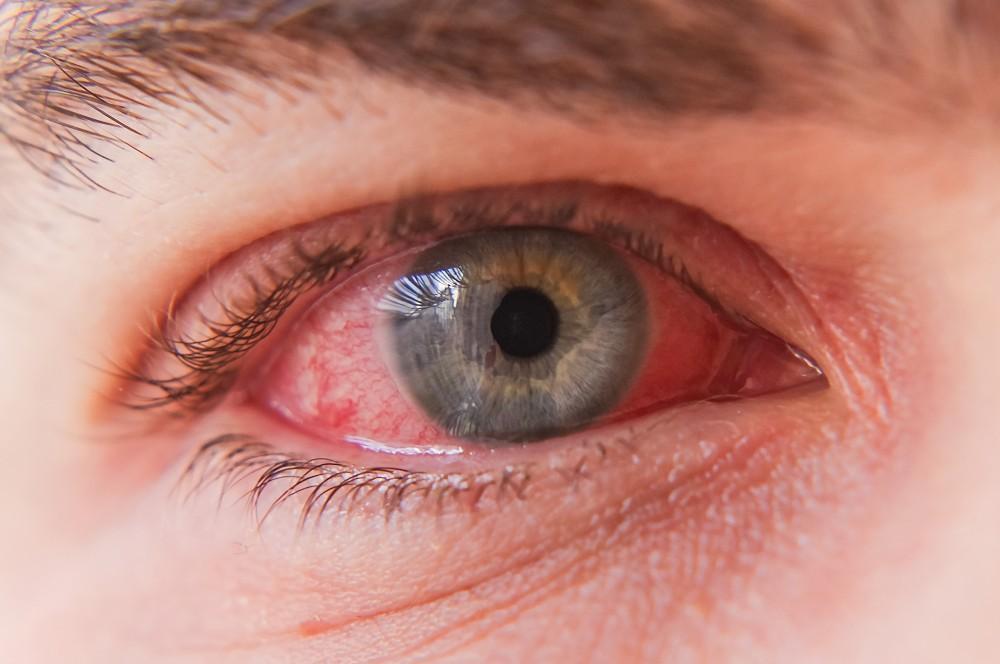
At Eyes on Hartz Optometry in Danville, California, our eye care specialists, guided by skilled optometrist Jennifer Hoang, OD, provide comprehensive eye care for all ages. Our specialists aren’t just here for eye exams and new glasses or contacts — they’re also eye disease experts who regularly diagnose and treat pink eye in all its forms.
It isn't a single condition with a single solution. Think of it as a mystery with three possible suspects. Each has its own motives, calling cards, and treatment options.
Viruses are notorious for showing up uninvited, and your eyes aren't off-limits. Sometimes, the same virus responsible for your sniffles and sore throat can appear in your eyes, too.
Viral pink eye often brings watery eyes, redness, and irritation. It usually affects one eye but can spread to both.
Unfortunately, there's no magic antibiotic drop that sends a virus packing. Most cases of viral pink eye improve on their own. Our team can recommend measures to make the wait more comfortable, such as cool compresses and artificial tears.
Because viral pink eye spreads easily, frequent handwashing and avoiding shared towels can help keep it from becoming a household affair.
If viral pink eye is the unwanted guest, bacterial pink eye is the one that leaves a mess behind.
Instead of mostly watery tears, you might notice a thick discharge that collects around your eyelashes. Some people wake up with their eyelids virtually glued together.
Bacterial pink eye is contagious, so it’s important to keep your hands away from your eyes to avoid spreading it to others.
Some mild cases of bacterial pink eye may clear without medication. However, depending on your symptoms and exam findings, our team may recommend antibiotic drops or other measures to help treat the infection and speed up recovery.
As many as 6 in 10 people with hay fever experience eye issues as well. Pollen, pet dander, and dust are common culprits in allergic pink eye.
Allergic pink eye usually causes itchy, watery, irritated eyes that may make you want to rub them constantly. Unlike other types of pink eye, allergic pink eye usually affects both eyes. In many cases, eye irritation happens alongside sneezing or a runny nose.
Unlike its viral and bacterial counterparts, allergic pink eye isn't contagious.
Treatment usually involves avoiding your triggers, using cool compresses, and, in some cases, using allergy eye drops can help calm things down. Some patients with recurring allergic pink eye benefit from treatments like allergy shots or oral medication as prescribed by their doctor.
The tricky part about pink eye? These three suspects can leave behind similar clues. And sometimes, what looks like pink eye is something more serious — so it’s important to see an eye doctor as soon as possible when symptoms start.
If you experience eye pain, sensitivity to light, or vision changes, reach out to our experts at Eyes on Hartz Optometry at 925-201-6969 or schedule an appointment now.